

TRANSPORTATION & LOGISTICS ENVIRONMENTS
Operational intelligence across every mode and hub.
Each transportation environment has different assets, systems and service priorities. D4CoreAI provides a foundation that can be configured and reused across networks, facilities and regions.

Roads & Traffic Operations
Connect traffic-management, signals, sensors, incidents, weather, maintenance and field response to improve network awareness and coordination.

Rail & Transit Networks
Relate schedules, vehicles, stations, track, power, asset condition and service information to support reliable passenger and freight operations.

Ports & Marine Terminals
Connect vessel, berth, yard, gate, equipment, cargo, security and landside information to improve terminal flow and operational coordination.
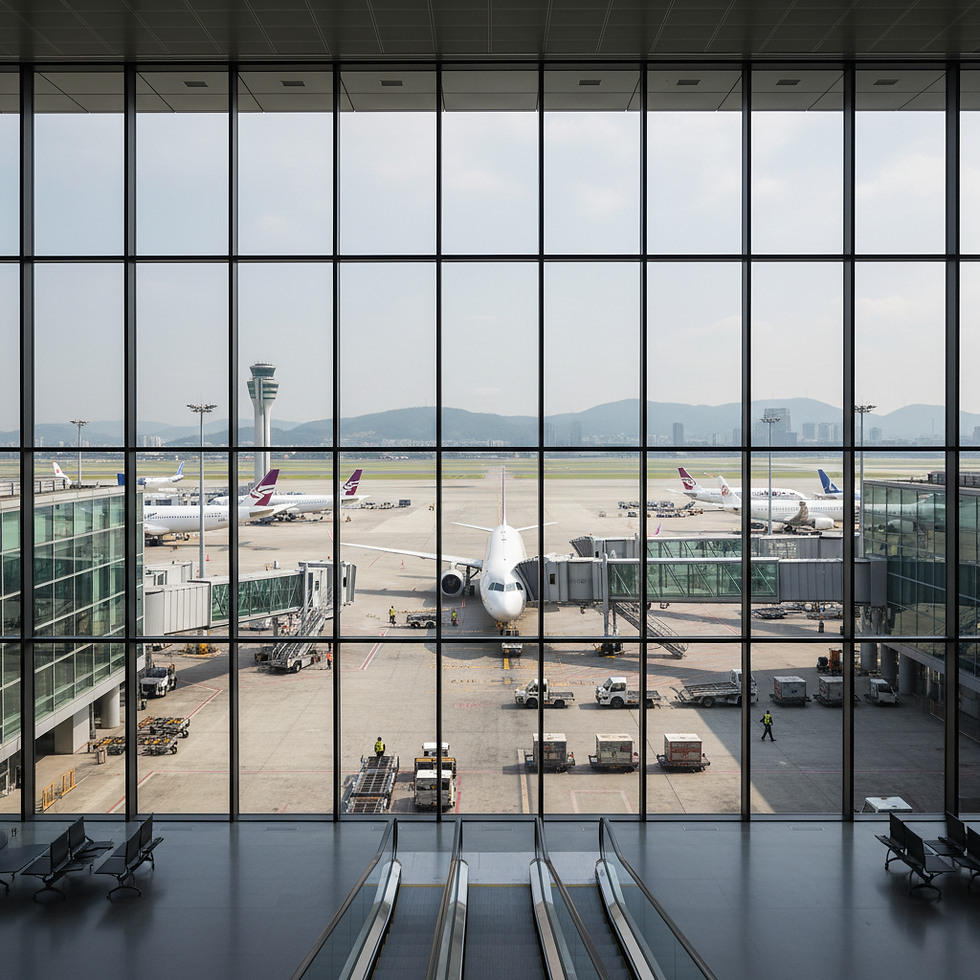
Airports & Aviation Operations
Bring together airside, gate, baggage, terminal, facility, safety and passenger-flow information to support coordinated airport operations.

Freight & Distribution Networks
Connect orders, shipments, carriers, routes, capacity, customer commitments and exceptions to improve end-to-end movement visibility.

Warehousing & Logistics Hubs
Relate inventory, docks, yards, material-handling equipment, labor, facilities and inbound or outbound movements across logistics hubs.
CONNECTED OPERATIONS
Connect the systems behind every movement.
Transportation information is often separated across traffic, dispatch, fleet, terminal, logistics, asset and enterprise platforms. D4CoreAI connects these sources and relates them to the vehicles, cargo, infrastructure, locations, services and decisions they describe.

Network, Traffic & Control
Transportation management centers, traffic signals, tolling, roadway telemetry, rail operating systems, airside systems and marine movement information.

Terminals, Hubs & Facilities
Terminal, airport, warehouse and yard systems, gates, docks, baggage, access, security, buildings and supporting utilities.

Schedules, Routes & Dispatch
Transit and service schedules, route plans, dispatch systems, carrier plans, crew and vehicle assignments, bookings and estimated arrival times.

Cargo, Orders & Service
Transportation management systems, orders, shipments, manifests, inventory, tickets, customer information and service interruptions.
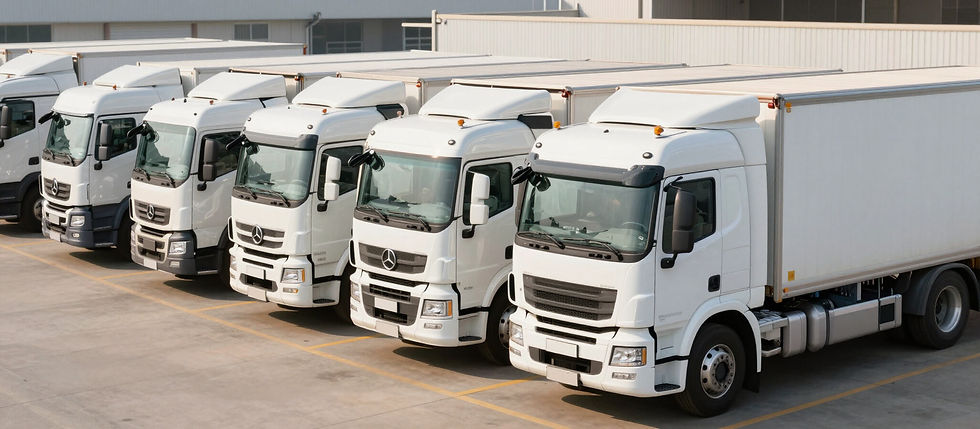
Vehicles, Fleets & Equipment
Telematics, location, condition, utilization, fuel or energy, cameras, onboard systems and material-handling equipment.

Assets, Weather & Spatial Data
GIS, network models, asset registers, EAM, CMMS, inspections, work orders, weather and road, track or airfield conditions.
D4CoreAI extends the existing transportation technology environment without replacing the traffic, dispatch, fleet, terminal, logistics and enterprise systems already in place.
PRIORITY USE CASES
Apply intelligence to the movements that matter most.
Start with one transportation or logistics decision, then reuse the connected foundation across additional routes, assets, facilities, workflows and regions.
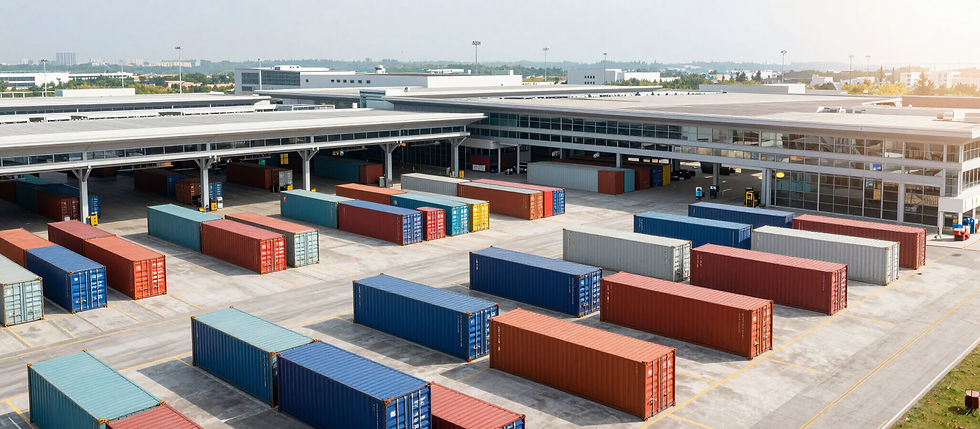
Network & Movement Visibility
Create a shared operating view across networks, vehicles, terminals, infrastructure, cargo and service conditions while retaining the context required by each mode and role.

Fleet & Infrastructure Performance
Connect condition, utilization, maintenance, energy and operating demand across vehicles, mobile equipment, transportation assets and supporting facilities.
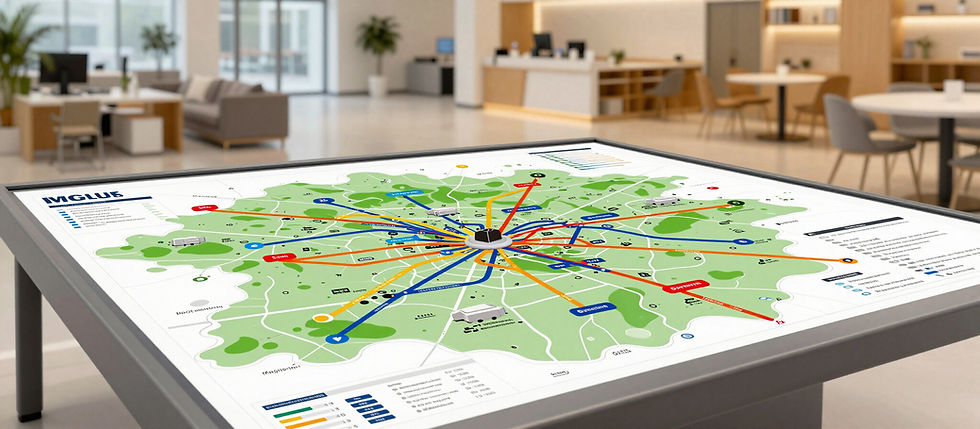
Capacity, Demand & Route Planning
Combine current conditions, historical demand, schedules, capacity, forecasts and operational models to compare routes, service plans and investment scenarios.
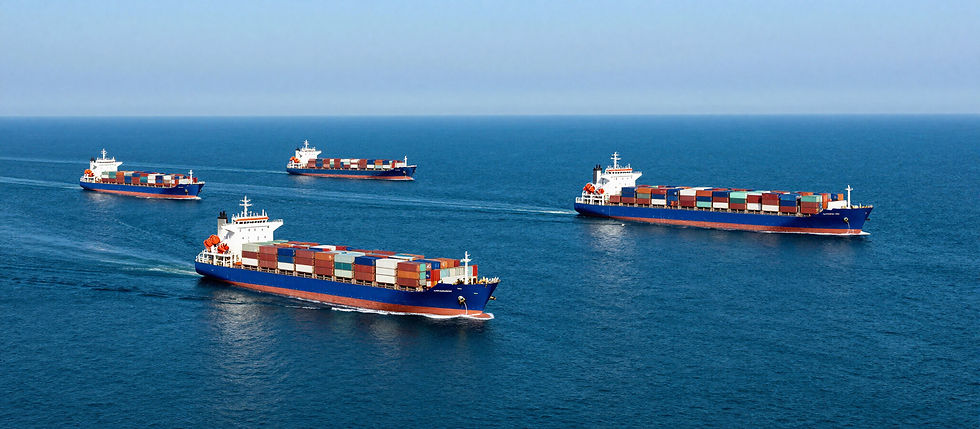
Delay, Disruption & Risk Detection
Correlate congestion, delays, weather, asset conditions, capacity constraints and operational events to identify developing disruptions and affected movements.

Governed AI-Assisted Operations
Ground models and agents in permissioned transportation information so they can investigate exceptions, summarize conditions and recommend approved next steps with human oversight.

Incident & Service Recovery
Bring together incidents, affected routes or services, available resources, procedures, assignments, communications and customer updates within a traceable recovery workflow.
FROM DATA TO ACTION
Turn disruption into coordinated recovery.
D4CoreAI connects changing conditions with network, movement and service context before presenting recommendations, notifying people or routing approved actions.
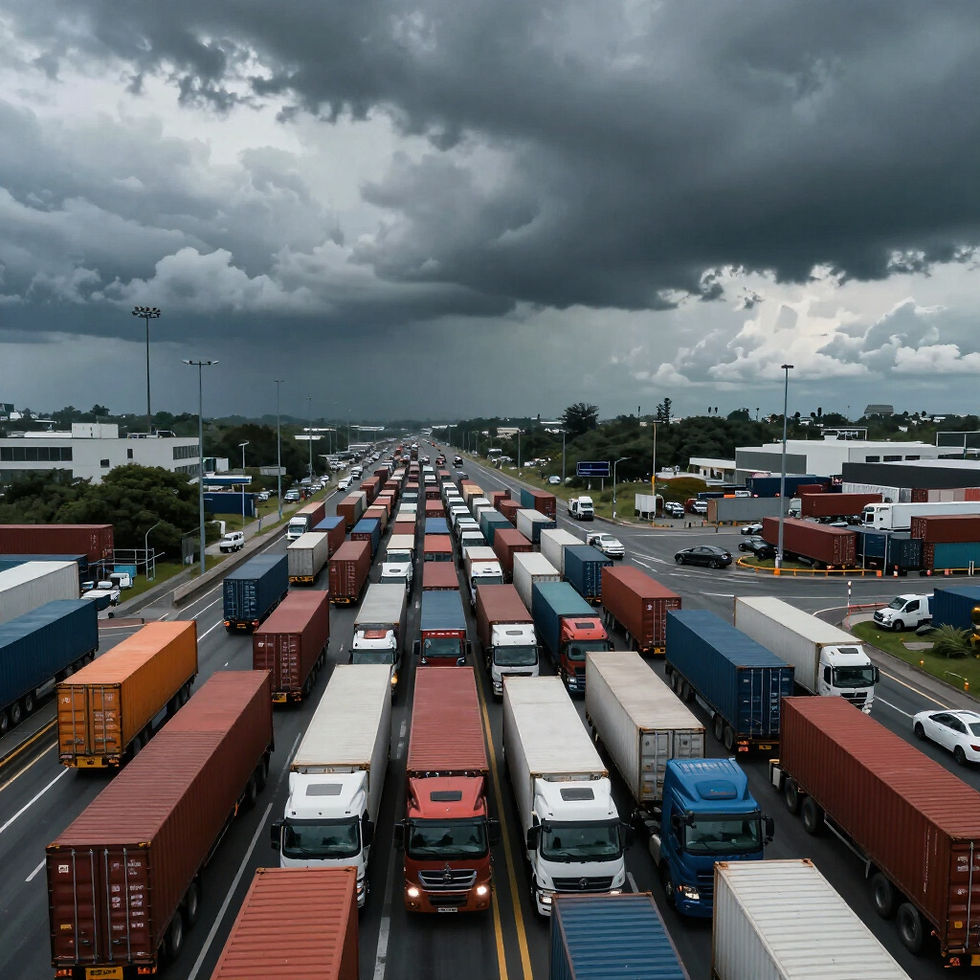
Example Workflow: From Closure to Recovery
Severe weather closes a major road segment and delays inbound vehicles to an intermodal terminal, threatening a scheduled rail or vessel connection and downstream delivery commitments. D4CoreAI connects traffic and weather information with vehicle locations, estimated arrival times, terminal capacity, cargo priorities, alternative routes and service commitments. Authorized teams can compare recovery options and approve rerouting, rescheduling and notifications through established systems and procedures.
01
Connect & Govern
Bring together the required traffic, vehicle, terminal, cargo, asset, spatial and enterprise information while preserving permissions, provenance and system boundaries.
02
Understand & Predict
Relate an event to affected routes, vehicles, facilities, cargo, customers and downstream connections. Apply rules, analytics, forecasts and governed AI to assess potential impact.
03
Coordinate & Act
Present supporting evidence and recovery options to authorized personnel, then connect approved decisions to existing dispatch, scheduling, notification and work systems.

Network & Control Operations
Monitor movements, schedules, congestion, incidents, service conditions and active priorities through a role-specific operating view.

Maintenance & Field Teams
Investigate asset issues with condition, location, operating history, documentation, work and field information available together.

Deployment and Operational Control
Integrate existing operational and enterprise technology while supporting cloud, private-cloud, hybrid, on-premises and edge architectures. Keep sensitive operational, geospatial, cargo and customer information within required organizational, geographic and deployment boundaries. Support resilient local processing where connectivity, latency or continuity requirements make it necessary. Preserve existing authority over safety-critical traffic, dispatch and movement decisions.
Support every role from control room to customer.
ROLE-SPECIFIC INTELLIGENCE
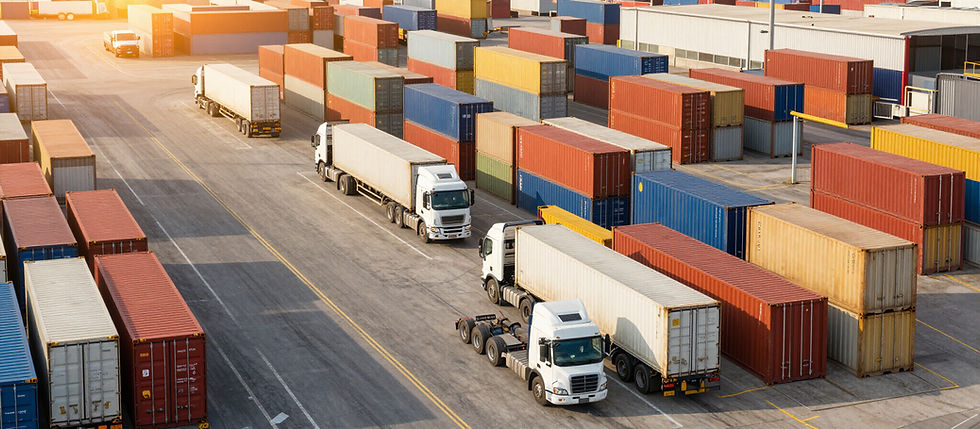
Fleet & Terminal Operations
Connect vehicles, loads, gates, docks, yards, equipment, turnaround activity and operating constraints across transportation facilities.
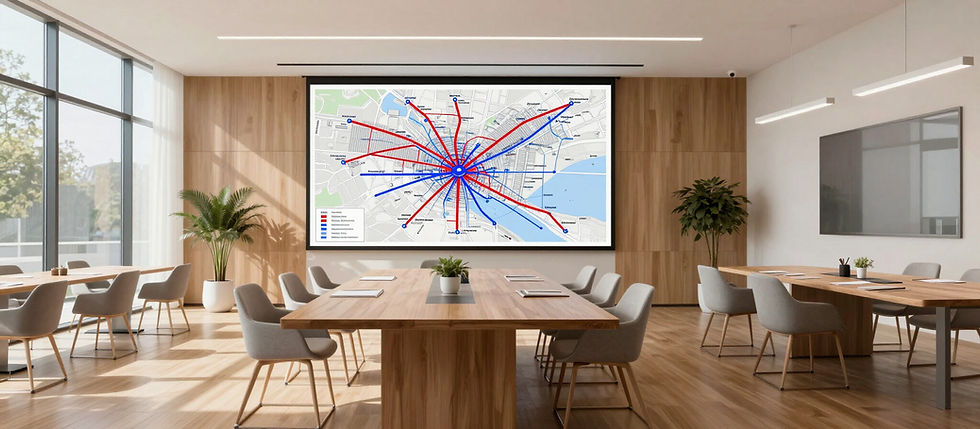
Planning, Service & Leadership
Understand capacity, demand, service performance, customer impact, network dependencies and investment priorities across operations.
Real world EXPERIENCE
Built through real operational work.
D4CoreAI builds on operational living-lab work, applied research and prior delivery experience.

Operational living lab
TMU Smart Campus
TMU provides a real-world smart-campus environment to connect operational, building, infrastructure, and sensor information.

Early-stage partner project
Major Civic Centre
Exploring connected-building data, analytics, applications and operational-intelligence for a major civic facility.

Prior project experience
Prior Delivery Experience
Governed cloud services, facility analytics, asset and workforce systems, monitoring and operational resilience.

Prior project experience
London Cycle Hire
Applied operational intelligence for a large-scale urban micro-mobility asset network and recovery service.
PRACTICAL DEPLOYMENT
Start with one transportation decision.
Scale from there.
Validate a focused transportation or logistics use case before extending the foundation across additional systems, vehicles, facilities, routes and regions.
1
Define
Identify the operational problem, responsible users and desired outcome.
2
Connect
Integrate the minimum systems and information required for the initial use case.
3
Configure & Validate
Configure the context, analytics, interface and workflow with the people who will use them.
4
Reuse & Scale
Extend the validated foundation to additional assets, use cases, buildings and sites.